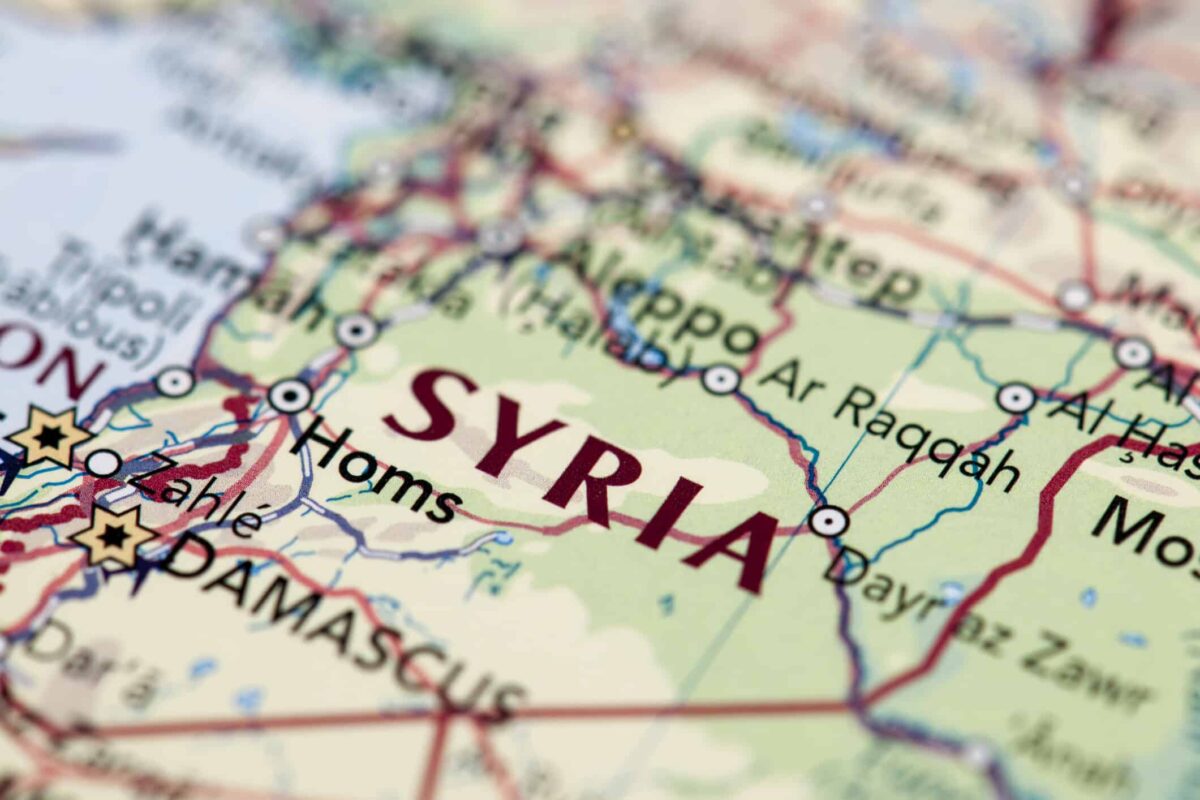





Damasco, SíriaEm dezembro 2024, Fiz minha primeira visita à Síria apenas quatro dias após a queda do regime – breve, eufórico, e cheio de emoção. Esta segunda viagem, tirada quase um ano depois, me permitiu mais tempo para me reconectar com amigos, família e colegas. Tive a oportunidade de visitar minha universidade em Aleppo e conversar com o professor que supervisiona minha tese inacabada sobre literatura francesa, intitulado “Amin Maalouf: na busca pela reconciliação.” Escolhi este tema durante a revolução porque o achei profundamente ligado à nossa situação na época. Fiquei fascinado com a forma como Amin Maalouf procurou conciliar o seu passado e presente, o Oriente e o Ocidente, e seu múltiplo, muitas vezes competindo, identidades.
Estes temas refletem a minha própria jornada como jovem sírio que foi forçado a deixar o seu país, morar no exterior, e ainda assim permanecer profundamente ligado às suas raízes – esperando um dia regressar a um futuro livre de autoritarismo e brutalidade, onde a dignidade humana é verdadeiramente respeitada. Eu ainda espero que, nos próximos anos, Poderei retomar e concluir minha dissertação de mestrado.
Saí da Síria no final desta segunda viagem com renovada, mas esperança cautelosa para o futuro. Resiliência extraordinária, criatividade, e espero que continue a brilhar, mesmo depois de anos de conflito e deslocamento. Andando pelas ruas, conhecer pessoas, e testemunhar a sua determinação silenciosa deixou uma impressão duradoura em mim - um lembrete de que o espírito da Síria perdura no seu povo.
Embora os desafios que temos pela frente sejam imensos — desde a reconstrução de infraestruturas destruídas até à reparação do tecido social — esta jornada renovou o meu sentido de propósito e o meu compromisso de contribuir, de qualquer maneira que eu puder, para a cura e reconstrução da minha pátria. A história da Síria ainda está se desenrolando, e eu mantenho a crença de que, junto, seu povo pode moldar um futuro enraizado na dignidade, justiça, e a esperança compartilhada de começar de novo.
Principais conclusões
As realidades da vida diária na Síria
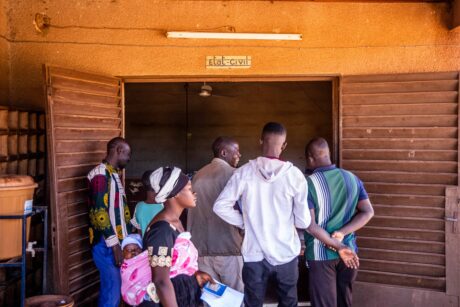
É ao mesmo tempo fascinante e preocupante testemunhar o que a vida quotidiana se tornou para o cidadão sírio médio.. Além da constante incerteza sobre a eletricidade, água, ou distribuição de pão, garantir necessidades básicas como gás de cozinha e alimentos é um desafio diário. Pessoas passam horas na fila para abastecer, lidar com preços imprevisíveis, e gestão de preços flutuantes – tarefas que a maioria das pessoas em outros países raramente tem que considerar. A vida aqui não é medida pelo conforto ou conveniência, mas pela capacidade de garantir o essencial para a sobrevivência. Ainda, apesar dessas dificuldades, a resiliência e a engenhosidade dos sírios para enfrentar estes desafios são verdadeiramente notáveis- particularmente do ponto de vista de alguém que vive no estrangeiro.
Capital Humano
Há um enorme potencial no capital humano da Síria – o “cavalo vencedor” com quem conto. Muitos sírios no terreno, especialmente indivíduos jovens e brilhantes, estão se esforçando e fazendo tudo o que podem para ajudar a melhorar a situação. Eles não têm medo de admitir quando não têm experiência ou precisam de apoio; essa humildade, juntamente com sua determinação, faz deles o verdadeiro tesouro desta época. Acredito que este capital humano representa uma das forças mais poderosas que impulsionam a futura reconstrução e desenvolvimento da Síria.. Deverão ser envidados esforços concertados para reforçar ainda mais esta força, proporcionando o reforço de capacidades relevante e recursos essenciais que permitam aos sírios concretizar plenamente o seu potencial..

Esperanças infladas por narrativas
Embora seja importante incentivar a recuperação económica e apoiar iniciativas locais, as esperanças das pessoas são muitas vezes infladas por narrativas que sugerem que grandes investimentos e milhões de dólares fluirão imediatamente para o país. Estou profundamente preocupado que estas expectativas possam ser esmagadas pela realidade de que tais processos levam tempo. Sem comunicação honesta e gestão eficaz das expectativas do público, muitos permanecem vulneráveis à frustração e decepção. Ainda, com maior transparência e planejamento realista, essas esperanças podem ser transformadas em constante, progresso sustentável em vez de otimismo passageiro.
Enormes lacunas nas classes sociais
Embora estivesse ciente da situação económica e do colapso da libra síria, Ainda fiquei chocado com seu profundo impacto na sociedade. A erosão da classe média – outrora a espinha dorsal da estabilidade social e económica da Síria – é agora inconfundível. Famílias que antes viviam confortavelmente, propriedade de pequenas empresas, ou tinham empregos estáveis foram empurrados para a pobreza, lutando para pagar até mesmo as necessidades básicas, como comida, combustível, e remédio.
Uma pequena elite continua a viver relativamente bem, beneficiando de acesso privilegiado a moeda estrangeira ou conexões políticas, enquanto a maioria enfrenta dificuldades diárias, dependendo de ajuda ou remessas, esta divisão cada vez maior ameaça a coesão social e mina as perspectivas de recuperação, transformar o que antes era uma sociedade equilibrada em uma sociedade marcada pela desigualdade e pela frustração. Ainda, apesar desses desafios, a perseverança e a solidariedade que persistem entre os sírios comuns oferecem um vislumbre de esperança – um lembrete de que a reconstrução não começa apenas com recursos, mas com a resiliência das próprias pessoas. Esta resiliência torna-se ainda mais forte quando combinada com o acesso à educação e às oportunidades de aprendizagem.
Governança e Transformação Institucional
O panorama da governação na Síria está a mudar rapidamente. Alguns ministérios estão se fundindo, enquanto outros estão surgindo recentemente, refletindo tanto a complexidade da reconstrução como a necessidade de adaptação aos desafios em evolução. O governo está tentando tirar lições das experiências de outros países, e na minha opinião, algumas iniciativas têm probabilidade de ter sucesso, enquanto outras podem falhar — uma parte inevitável de qualquer processo de aprendizagem genuíno. Por exemplo, a criação do Ministério do Desenvolvimento Administrativo, com um mandato amplo que inclui o desenvolvimento de capacidades e a modernização da administração do setor público em todos os ministérios, parece particularmente promissor. De forma similar, a consolidação de três ministérios sob o Ministério da Energia poderia reduzir a burocracia e melhorar a eficiência, embora só o tempo dirá.

Construir um país unificado com um sistema de governação bem estabelecido que corresponda verdadeiramente às aspirações do povo sírio será uma jornada longa e desafiadora.. Embora o progresso seja visível em certas áreas, muitos aspectos continuam a ficar para trás, sublinhando a magnitude da tarefa que temos pela frente. Ainda, apesar desses obstáculos, Continuo cautelosamente optimista quanto ao facto de, com resiliência, inovação, e um senso de propósito compartilhado, Os sírios serão capazes de fortalecer as suas instituições e moldar um sistema de governação enraizado na responsabilização, inclusão, e esperança.
Destruição generalizada de infraestrutura
Apenas alguns quilômetros fora de Damasco, a escala da devastação é dolorosamente visível. Bairros inteiros estão em ruínas – casas, escolas, hospitais, e instalações públicas reduzidas a escombros. A destruição em áreas como Ghouta Oriental é impressionante, resultado direto das intensas campanhas militares antes do deslocamento forçado de seus moradores para Idlib.
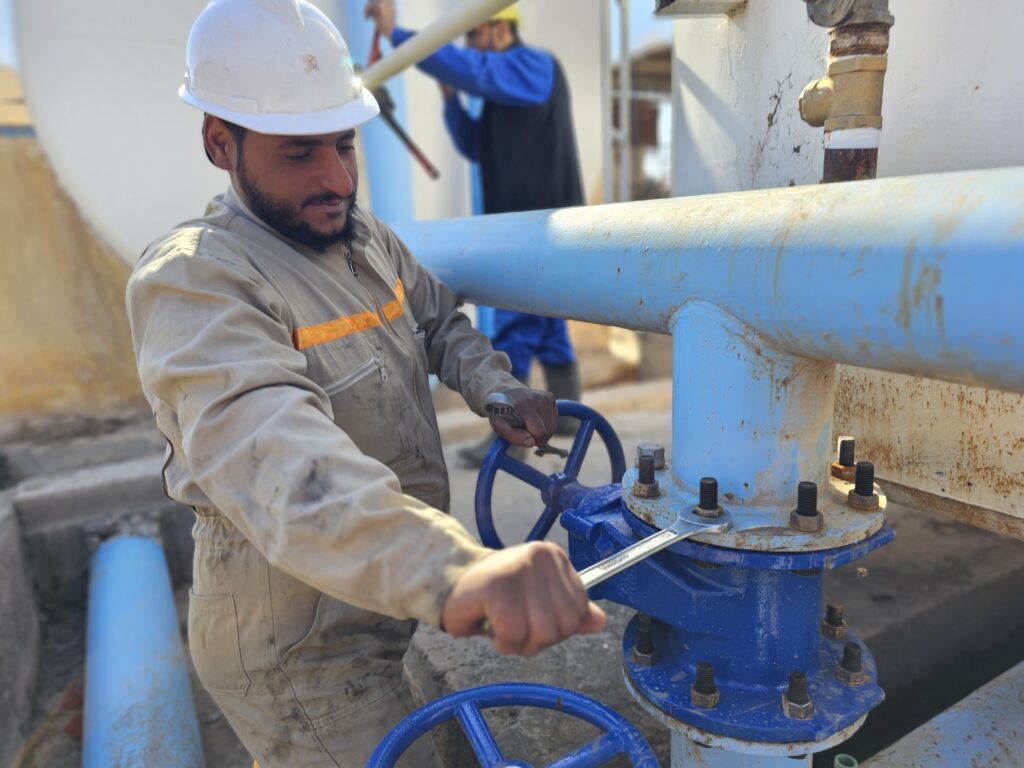
A reconstrução destas áreas exigirá muito mais do que tijolos e argamassa – requer restaurar a confiança, meios de subsistência, e uma sensação de segurança para as pessoas que suportaram anos de cerco, bombardeamento, e deslocamento. A magnitude dos danos sublinha o enorme desafio que a Síria enfrenta em qualquer futuro esforço de reconstrução, mas também serve como um apelo à reconstrução não só das infra-estruturas, mas comunidades - e, em última análise, a esperança que os une.

Organizações da Sociedade Civil
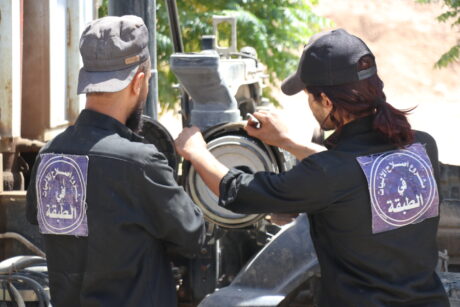
Conheci várias organizações locais sírias que atuam numa ampla gama de campos, do apoio humanitário à governação. Eles trabalham incansavelmente para apoiar o retorno de pessoas deslocadas internamente, facilitar retornos seguros do Al-Hol Camp, mediar e resolver disputas dentro das comunidades, e até monitorar as eleições modestas que ocorreram, garantindo algum nível de transparência e participação cívica. Os seus esforços muitas vezes passam despercebidos fora da Síria, no entanto, são fundamentais para reconstruir a coesão social e a confiança a nível local.
Poder testemunhar e interagir com este trabalho em primeira mão me fez sentir orgulhoso de fazer parte deste espaço. Mesmo contribuindo indiretamente, seja pessoal ou profissionalmente como profissional de desenvolvimento, é inspirador ver como indivíduos e organizações dedicados estão fazendo diferenças tangíveis na vida das pessoas. Sua resiliência, compromisso, e a inovação proporcionam esperança para o futuro da Síria.


Conhecendo os heróis por trás do trabalho criativo
Depois de mais de 10 anos, Finalmente tive a oportunidade de conhecer pessoalmente os sírios com quem trabalhei pela primeira vez. Também conheci colegas que conheci durante a revolução, que estavam no chão o tempo todo, servindo como nossos olhos e ouvidos e desafiando probabilidades impossíveis para fornecer serviços e atender aos requisitos de nossa programação. Embora nos comunicássemos por videochamadas durante anos, conhecê-los pessoalmente foi uma experiência completamente diferente. Eles são gentis, humilde, conhecedor, e genuinamente doce.
Tendo trabalhado com a Creative por mais de uma década em toda a sociedade civil, conselhos locais, e iniciativas de mídia, Estou verdadeiramente feliz e honrado por ter conhecido pessoalmente estes colegas – os verdadeiros heróis por trás de todo o trabalho que fazemos na Síria.

Mohamad Hamish está na Creative há mais de 10 anos. Natural da Síria, ele lidera a nossa programação atual na Síria e tem uma vasta experiência na condução de mudanças positivas e na capacitação de comunidades através de abordagens inovadoras e baseadas em evidências..